
Concrete parking lot building in Mission TX - a lot that holds up to daily traffic
Ruts, standing water or a cracked old lot? We build concrete parking on a packed base, with the joints planned before we pour.
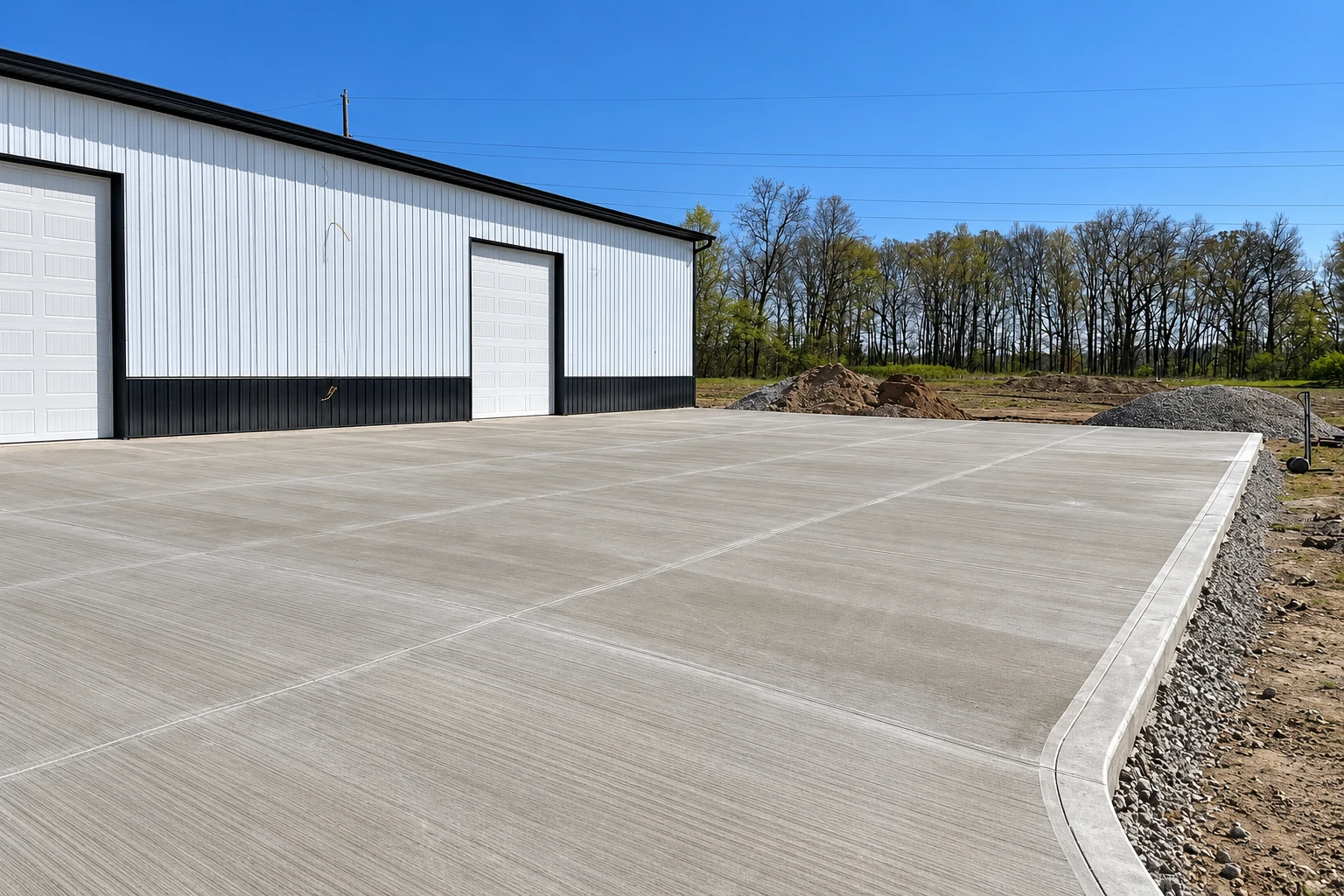
A parking lot starts with the ground under it
A concrete parking lot is one big slab built for cars and trucks. How thick it needs to be comes down to the ground under it, the traffic on it and the strength of the mix. Most calls start with gravel that ruts, old paving that's cracked and sinking, or water sitting by the door. Light poles and signs need their own concrete footings, so we plan those with the lot.
I start with what's under the lot and what will drive on it. If the ground is weak, we plan the soil work in up front, because that and the lot's size move the price the most. Weather and any permit set the schedule. We're licensed and insured, and we handle the permit application when a job needs one.
- Base dug out and packed, not raked level
- Grades that carry water away from buildings
- Thickness matched to the traffic it carries
- Joints laid out on paper before the pour
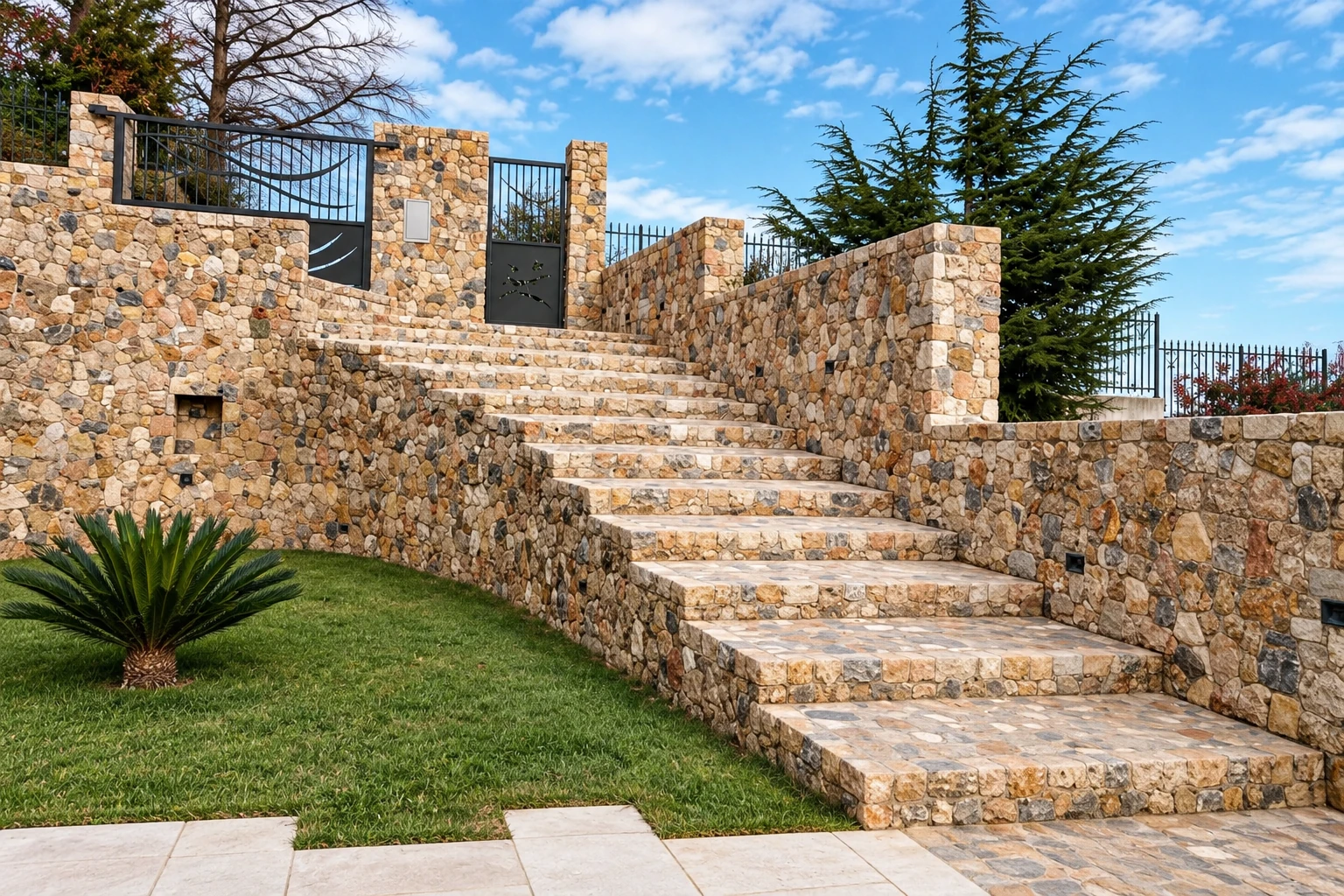
Three ways to handle the ground
The soil under a lot decides how long the concrete stays flat, so we settle this before anything else goes on the quote.
Build on what's there
- When it fits
- Firm soil that drains and doesn't swell when it gets wet
- What it takes
- Digging out, packing the base and checking grades before forms go up
Treat the soil
- When it fits
- Ground that's weak or swells and shrinks as it wets and dries
- What it takes
- Mixing lime, cement or fly ash into the soil to firm it up
Bring in new fill
- When it fits
- Soil too poor or soft to fix where it sits
- What it takes
- Hauling out the bad soil and packing better soil in its place
How we plan and pour a lot
Call and site visit
You call or send the form. Then I come out myself to measure, look at the soil and see how water moves across the site.
A quote in parts
My written quote spells out each part of the job, from the soil work to the pour. It also shows you the joint layout on paper.
Permit and prep
We sort out any permit and set the work date after it's issued. Then our crew sets the forms, and I check every grade with a string line.
Pour, cut and cure
We plan pour day around the weather, cut the joints on time and clean up. Cars stay off while the concrete cures and gains strength. Satisfaction guaranteed on every job.
What to settle before we pour
These points shape the layout, the base and how long your lot is closed, so we work them into the quote before any concrete arrives.
Base before finish
Nobody sees the base once the lot is poured, so it's the first thing people want to cut. I'd cut the finish first, because a smooth surface won't save a slab that settles.
Where the water goes
A lot should send water away from the building, so I check where it runs first. Hidalgo County Drainage District No. 1 reviews plans for new subdivisions and floodplain development.
Space sizes and accessible spots
The city sets minimum sizes for parking spaces, so the layout starts there. The Texas Accessibility Standards want access aisles nearly level in every direction, with just enough slope to drain.
Staying open during work
If customers need to park while we work, tell me early, because pouring in sections changes the joint layout and the schedule. Each section stays closed until it has cured.
Concrete parking lots up close
Look for straight joint lines, clean edges at the curbs and no low spots holding water. Open any example to see it larger.
Tell us about your lot
Send the address, what the lot's for, its rough size and what drives on it. We reply within one business day to set a free, no-obligation estimate on site.
To talk now, call
(956) 379-6556Questions about concrete lots
Another question? Call (956) 379-6556
How long does a concrete parking lot last in Mission, TX?
Industry guidance says a concrete lot can give satisfactory service for many years with little maintenance when its design and construction fit that lot's own conditions. That's why I start with your soil, your traffic and your drainage instead of a standard plan.
Does my Mission business need paved parking?
Yes. The city issues a business permit only after every requirement is met, and paved off-street parking and landscaping are among them. A home converted to business use has to expand its 2-car driveway by an amount tied to the business's size, and you can check those rules with the city's planning department.
How much does a concrete parking lot cost in Mission?
The price comes down mostly to the lot's size, how thick the traffic needs it to be and whether the soil needs treating or replacing. Grading for drainage and pouring in sections so you can stay open add to it, and the quote I write after measuring breaks out each part.
Will a new concrete parking lot crack like the old one?
Concrete shrinks and moves with temperature, so some cracking is normal. Control joints are the straight cuts that decide where it happens, and their spacing and placement affect how the lot holds up. If the cracks are in your building's walls, foundation raising is the job that deals with that.
What if the soil on my parking lot site is weak?
Weak or expansive soil can be treated or replaced, so it won't stop the job, but it adds a step to plan and budget for. Some sites need an onsite soil investigation before design, and when an engineer has to settle that, I'll tell you.
Can you pour a concrete parking lot in hot weather?
Yes, with planning. Heat, dry air and wind all affect the concrete and how it's mixed, hauled and placed, and a midday pour can leave a weak, dusty top. Ask me how we'd plan your pour day, and I'll walk you through it.