
Foundation raising in Mission TX - a fix matched to your house and soil
Cracks, sticking doors or a floor that slopes? We find out why the house moved, then lift it on supports that fit your soil.
Foundation raising starts with why the house moved
Foundation raising in Mission means lifting your house so a new or extended foundation can be built under it. Most frame and masonry houses are separated from the old foundation, raised on hydraulic jacks and held on temporary supports while that work goes on. People usually call us once cracks run up the walls, doors start sticking or a floor slopes enough to notice.
Before I suggest any fix, I figure out whether you've got a little settling or ground that's still moving, because a cheap patch on moving ground tends to sink again. That answer sets the price, along with the pier type and how much of the house needs support. Any permit and the weather set the schedule, and your quote shows where your own number lands.
- Cause found before a fix is picked
- Pier type matched to the soil below
- House lifted evenly on hydraulic jacks
- Solid temporary supports during the work
- Ground graded so water runs away

Patch, pier or raise the whole house
The right fix depends on whether the ground is done moving, so picking the cheapest option on moving clay usually means paying for the job twice.
Mudjacking
- When it suits
- A small spot of settling on ground that's no longer moving.
- What it takes
- Filling under the low spot to lift it, though shifting clay can drop it again.
Piers to stable soil
- When it suits
- Ongoing movement, where the house needs support below the clay that shifts.
- What it takes
- Pressed concrete piers where they reach stable soil, steel or helical where it's deeper.
Full house raise
- When it suits
- When the old foundation needs extending or replacing, or the house should sit higher.
- What it takes
- The most work, since the house comes off its foundation while a new one goes in.
How a foundation raise is run
Call or send the form
Call (956) 379-6556 or send the form with what you're seeing, and we'll get back to you to set a time.
I come out and measure
I come out myself, measure, look at how the house has moved and check how water runs across the ground around it.
A quote by the part
Your quote spells out each part of the job, and if your soil needs a deeper pier, I'll show you why it costs more.
Permit and planning
If the job needs a permit, we apply with the city or county office, set the work date once it's issued and plan around the weather.
Raise and clean up
Our crew does the work with me on site, then we fill the ground back in, grade it so water runs away from the house and clean up.
What to weigh before you compare quotes
Two quotes for the same house can look far apart, and these points usually explain why, so it helps to know them before I write yours.
Slab or crawlspace
A slab house lifts more easily with the slab attached, but it's harder than a crawlspace house, so ask any contractor how many they've lifted. We're licensed and insured.
Where the cracks show
Write down where the cracks are and which doors or windows stick before I come out, because that pattern points to where the house dropped.
Getting in afterward
If we raise the house above its old height, ground-level doors will need new steps or a ramp, so budget for that work alongside the raise.
Concrete next to the house
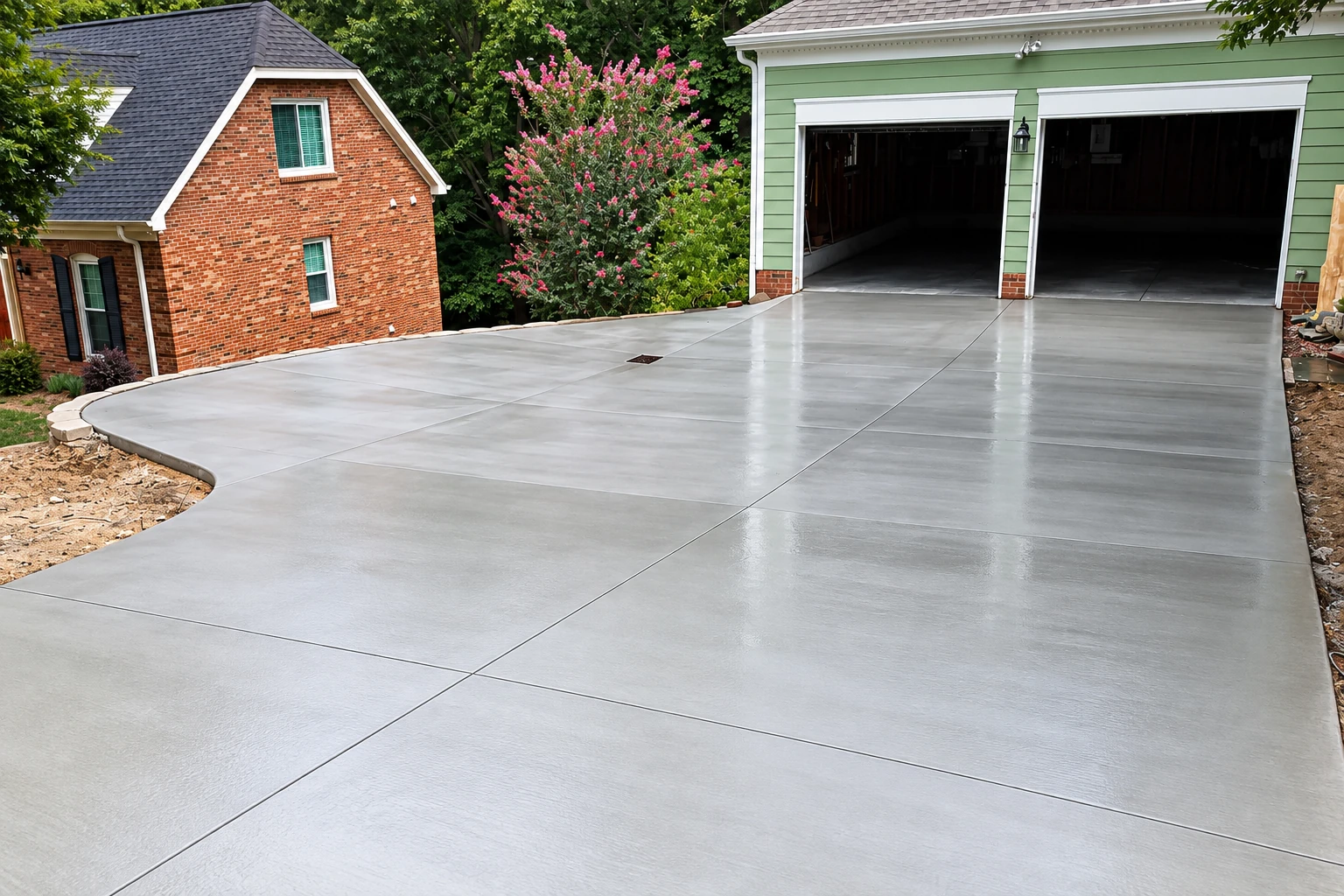
A walk or driveway against the house may need opening to reach the foundation, so we handle the concrete cutting and can pour a new concrete driveway if yours cracked too.
Foundation raising work, up close
Look for jacks set evenly, solid temporary supports and piers that run straight down, then open any photo for a closer view.
Tell us what you're seeing
Send your foundation type, the problems you see and your address, or call (956) 379-6556. We reply within one business day to book a free, no-obligation estimate on site.
To talk now, call
(956) 379-6556Questions about raising a foundation
Another question? Call (956) 379-6556
How much does foundation repair cost in Texas?
One Texas cost guide puts typical home foundation repair at about $3,500 to $8,000 per job. Quotes are usually figured per square foot of the affected area, or per pier when piers go in, and the pier price depends on the type. Satisfaction guaranteed on every job.
What pier type works best in dry Texas clay soil?
Steel or helical piers are usually the better match for dry, dense clay, because they reach deeper and one Texas cost guide says pressed concrete piers can't always push through it to stable soil. Texas has large areas of clay that shrink and swell with moisture, which can move a foundation. So a higher quote may be naming the pier your soil needs.
Do I need a permit for foundation work in Mission, TX?
Mission requires a permit for any concrete or asphalt slab with a value of $100 or more, and the city's Inspections Division reviews building permit applications at 956-580-8691. When your job needs one, we handle the application and set the work date after it's issued. If it's unclear, we check with that office instead of guessing.
How should I water around my foundation after it's raised?
Texas engineering guidelines say keeping soil moisture about even on all sides of the foundation may help, and they caution against watering too much. An engineer may suggest watering certain spots more or less to keep the clay from swinging between wet and dry.
How much of Hidalgo County is in a high-risk flood zone?
Less than 1% of Hidalgo County's area is in FEMA's high-risk flood zones. If a house in one gets a substantial improvement, FEMA says the community's permit file must hold an official record showing it's properly elevated, which shows the work meets the floodplain rules.